
When investing in a new roof or roof replacement, most homeowners focus on materials, color, and cost—but one of the most important details is often overlooked: the roof warranty. Understanding what your roof warranty actually covers (and what it doesn’t) can save you stress, confusion, and thousands of dollars down the road.
In Kansas City, where roofs regularly face hail, wind, heavy rain, and temperature swings, knowing your warranty details is essential. Here’s what every homeowner should understand before signing a roofing contract.
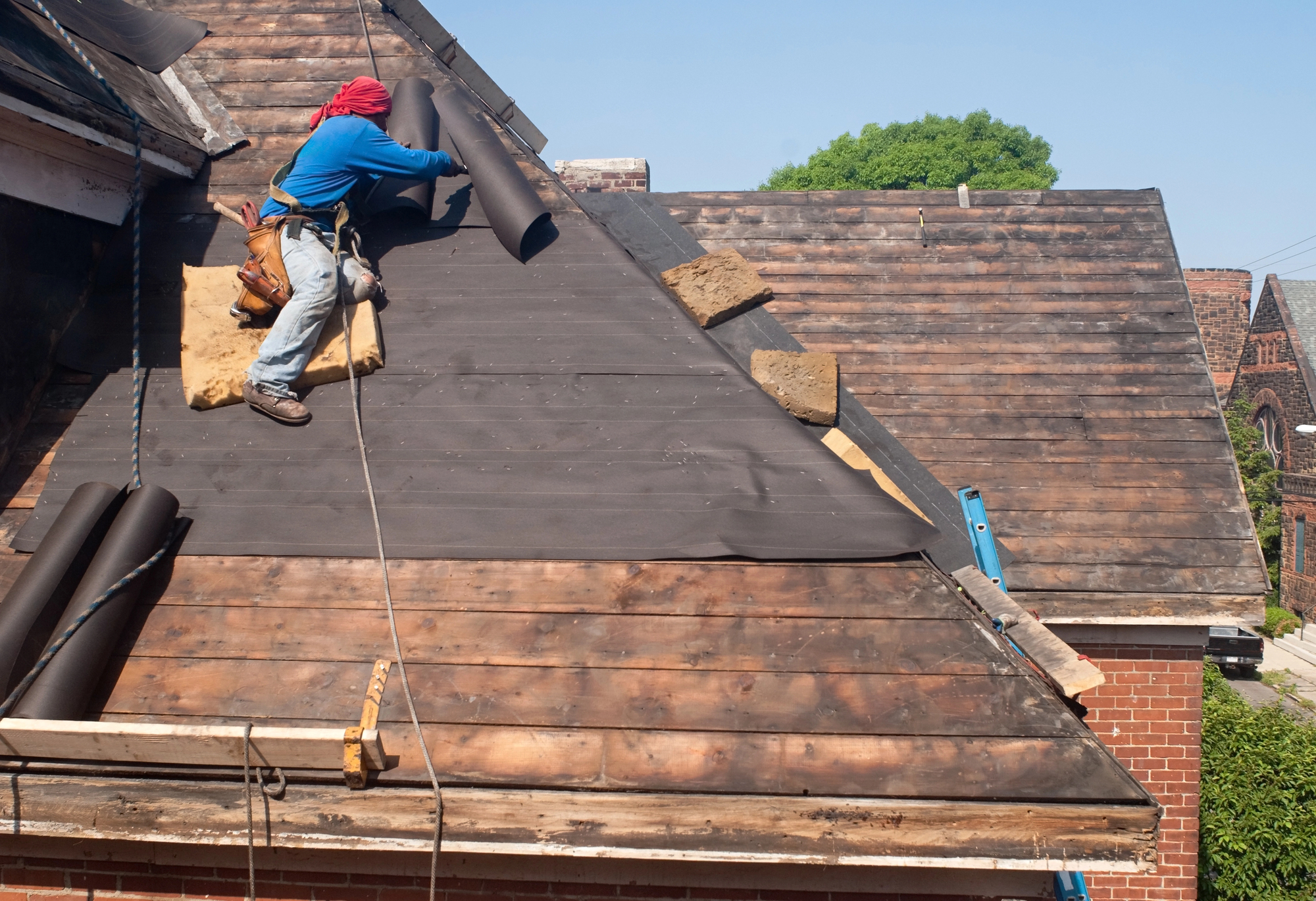
Why Roof Warranties Matter
A roof warranty is designed to protect your investment, but not all warranties offer the same level of coverage. Many homeowners assume “warranty” means everything is covered—until storm damage or leaks appear and they discover limitations.
According to Acord Roofing, storm-related issues such as missing shingles, damaged flashing, and granule loss are common in Kansas City, and not all of these situations are automatically covered by warranties. Understanding coverage ahead of time helps avoid unpleasant surprises later.
The Two Main Types of Roof Warranties
Manufacturer’s Material Warranty
This warranty covers defects in roofing materials, such as shingles failing prematurely due to manufacturing flaws.
What it typically covers:
-
Defective shingles or roofing materials
-
Premature material failure
What it usually does NOT cover:
-
Improper installation
-
Storm damage (hail, wind, falling debris)
-
Normal wear and tear
-
Poor ventilation or maintenance issues
Material warranties often last 20–50 years, but coverage may be prorated over time.
Workmanship (Labor) Warranty
A workmanship warranty covers issues related to how the roof was installed. This is provided by the roofing contractor—not the manufacturer.
What it typically covers:
-
Installation errors
-
Leaks caused by improper flashing or sealing
-
Problems related to roofing techniques
The quality of this warranty depends heavily on the contractor. Acord Roofing provides clear workmanship coverage so homeowners know exactly what’s protected.
Key Roof Warranty Terms Homeowners Should Understand
Before signing, be sure you understand these common warranty terms:
Prorated vs. Non-Prorated Coverage
-
Non-prorated: Full replacement cost for covered issues
-
Prorated: Coverage decreases as the roof ages
Many long warranties sound impressive but offer limited value later in the roof’s life.
Transferability
If you sell your home, can the warranty transfer to the next owner? Transferable warranties can increase home value and buyer confidence.
Maintenance Requirements
Most warranties require routine maintenance. Neglecting inspections or repairs—especially after storms—can void coverage.
Ventilation Requirements
Poor attic ventilation is a common reason warranties are denied. Improper airflow can trap heat and moisture, damaging shingles prematurely.
How Storm Damage Affects Roof Warranties
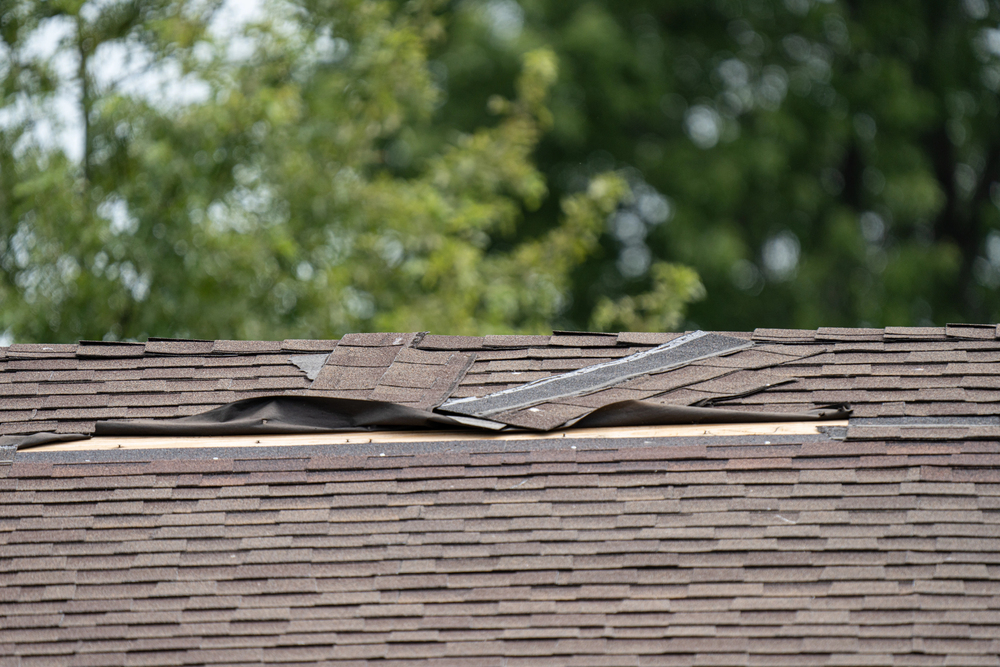
Kansas City storms are tough on roofs. High winds and hail can cause damage that looks minor but leads to leaks later. Many homeowners assume storm damage is covered by their roof warranty—but in most cases:
-
Storm damage is handled through insurance, not warranties
-
Undetected storm damage can worsen over time and may not be covered if repairs are delayed
This is why Acord Roofing recommends roof inspections after major storms to document damage early and protect both your warranty and insurance claim options.
Common Warranty Mistakes Homeowners Make
Avoid these costly errors:
-
Assuming all damage is covered
-
Not reading warranty exclusions
-
Hiring contractors who don’t offer workmanship warranties
-
Skipping post-storm inspections
-
Ignoring required maintenance
These mistakes can leave homeowners paying out of pocket for repairs they thought were protected.
How Acord Roofing Helps Protect Your Warranty
Acord Roofing takes the time to explain warranty details before installation, so homeowners know exactly what they’re getting. Their team helps ensure:
-
Proper installation that meets manufacturer standards
-
Correct ventilation and flashing installation
-
Documentation for inspections and storm damage
-
Honest guidance on warranty vs. insurance coverage
This proactive approach helps homeowners get the most value—and longest life—out of their roof.
Final Thoughts
A roof warranty is more than fine print—it’s long-term protection for one of your home’s biggest investments. Understanding the difference between material and workmanship warranties, knowing exclusions, and scheduling regular inspections can save you thousands over time.
Before signing any roofing contract, ask questions, read the details, and work with a trusted local contractor who puts transparency first.