
Yes, you can replace a roof in winter in Kansas City, but cold weather changes how the job is done and how quickly new shingles seal. Many winter days are workable, and some are not. This guide explains how temperature affects shingles, how weather windows shape the schedule, the pros and cons of a winter roof replacement, and when you should not wait for spring.
How Cold Temperatures Affect Shingle Sealing
Asphalt shingles have a strip of sealant that bonds each shingle to the one below it, and that strip needs warmth from the sun to activate. When shingles go on in cold weather, that bond can take weeks or even wait until spring. Until it forms, the shingles depend on their nails and any hand-applied sealant to resist wind.
Cold also makes shingles stiffer. They can crack if they are bent too sharply, which matters most around hips, ridges and valleys. That is why careful crews keep materials as warm as practical and handle them with extra care on cold days.
Hand-Sealing Shingles in Cold Weather
Hand-sealing means placing small dabs of approved roofing cement under the shingle tabs so they hold down before the factory strip activates. According to the Insurance Institute for Business & Home Safety, shingle manufacturers typically call for hand-sealing during extended cold weather. The exact steps depend on the shingle, so a winter installation should follow the manufacturer’s cold-weather instructions.
Kansas City Winter Weather and Scheduling Windows
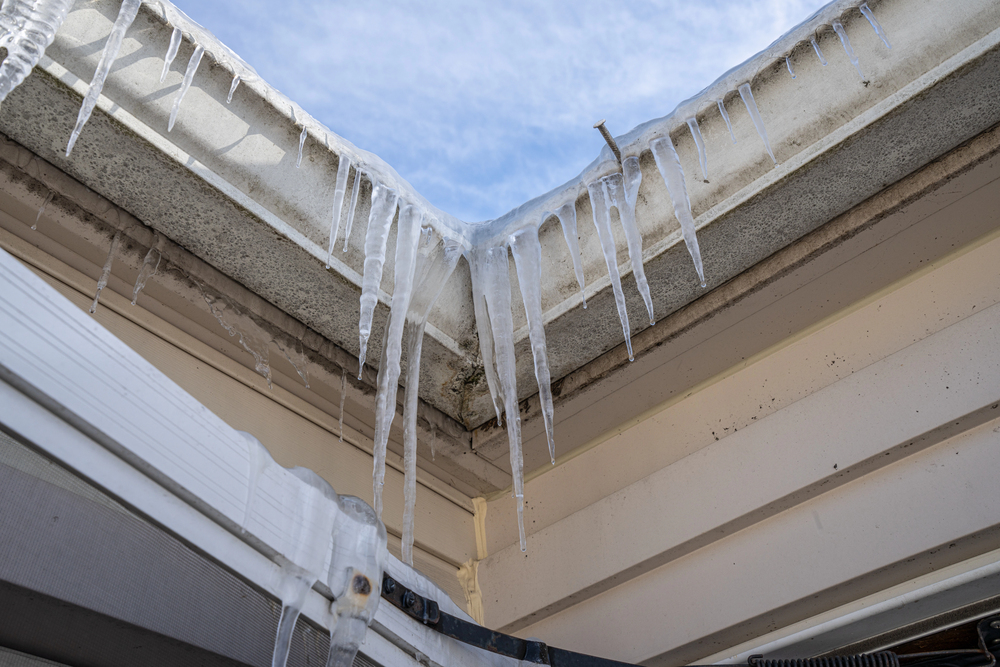 Winter roof replacement in Kansas City depends on the forecast as much as the calendar. National Weather Service normals put typical January highs in the upper 30s at Kansas City International Airport, so many winter days sit right around the cold-weather line. The same records show some January days have reached the 60s and 70s, which shows how much our winters can swing.
Temperature is only part of the picture. Snow, ice and frost on the roof deck stop work, because shingles and underlayment need a clean, dry surface. High winds can also make it unsafe to work on a roof. In practice, that means a winter project is scheduled around stretches of dry, milder weather, and the start date may move if a storm rolls through.
Pros of a Winter Roof Replacement
The biggest advantage of winter is timing. Roofing schedules often open up after the busy spring and fall seasons, so it may be easier to find a start date that works for you.
Replacing a failing roof in winter also means you do not have to nurse it through months of snow, ice and spring storms. If your roof is already leaking or near the end of its life, a new roof now can protect your attic, insulation and ceilings sooner.
Cons and Trade-Offs to Consider
The main drawback is that the weather is less predictable. A project can be delayed by snow, ice or a cold snap, and shorter days leave fewer working hours.
Shingle sealing is the other trade-off. Shingles installed in cold weather may not fully seal until warmer, sunny days arrive. A good installation plans for that, but it is worth asking any roofer how they handle sealing on a winter job. If you want to know what happens on installation day, our guide on what to expect during a residential roof replacement project walks through each step.
When Not to Wait for Spring
Some roof problems should not wait for warmer weather. Waiting can turn a manageable problem into damaged decking, wet insulation or ceiling repairs.
- Active leaks that show up as ceiling stains or drips
- Shingles torn off or lifted by wind or a storm
- Hail damage you plan to file with insurance
- A soft, sagging or uneven roofline
- Leaks along the eaves that come back every winter
In many cases a roof repair in Kansas City can protect your home through the winter, and a full replacement can follow when it makes sense. If ice is the issue, our tips on preventing winter roof damage and ice dams can help.
Planning a Roof Replacement in Winter in Kansas City
The biggest advantage of winter is timing. Roofing schedules often open up after the busy spring and fall seasons, so it may be easier to find a start date that works for you.
Replacing a failing roof in winter also means you do not have to nurse it through months of snow, ice and spring storms. If your roof is already leaking or near the end of its life, a new roof now can protect your attic, insulation and ceilings sooner.